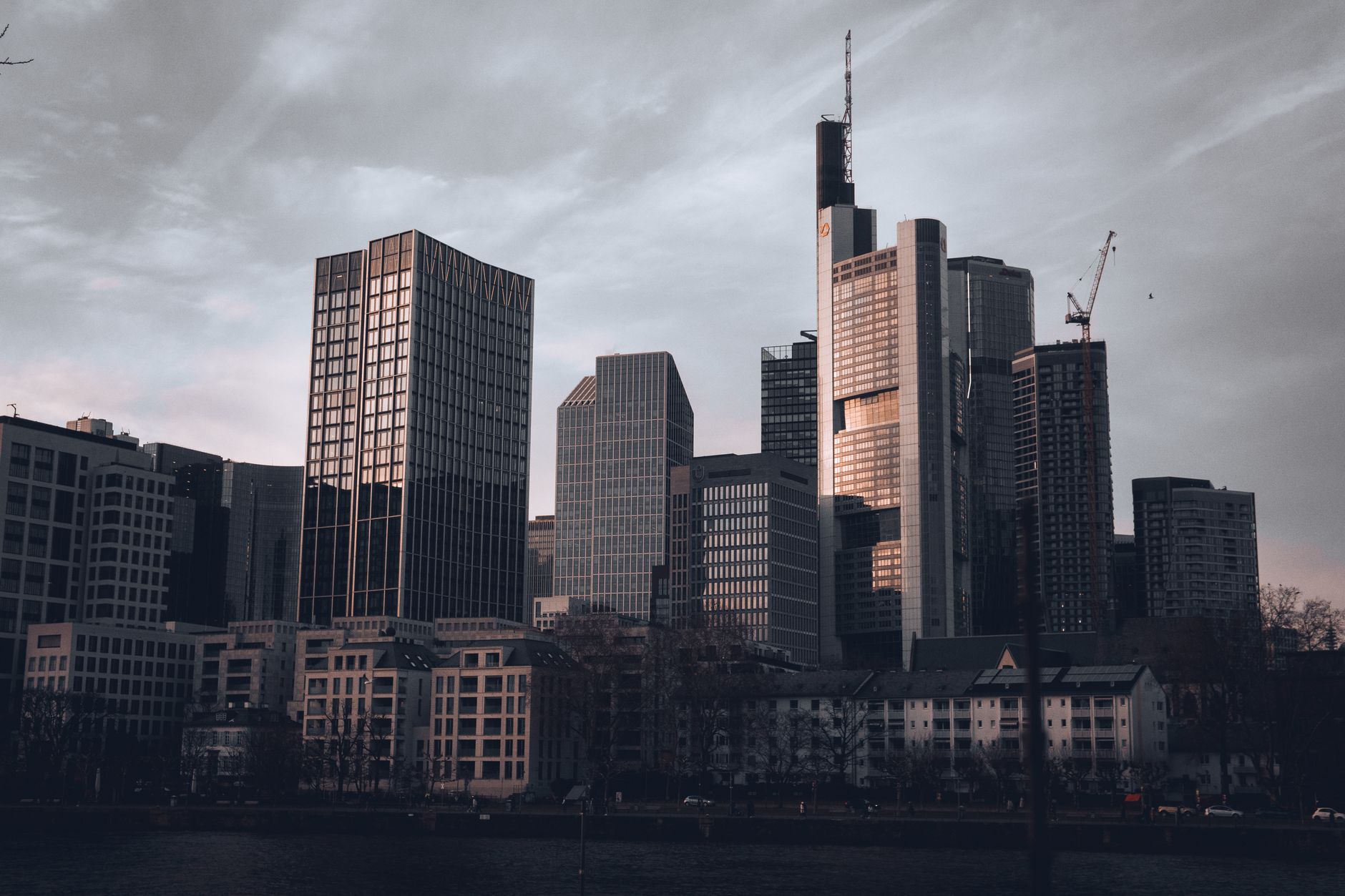

Europe · Berlin · Euro (EUR)
Germany — world-class engineering, near-zero tuition.
Public universities charge little or no tuition, the 18-month job-seeker visa follows graduation, and Europe’s industrial powerhouse is hungry for engineers, IT specialists and healthcare workers.
€0
Public tuition
18 months
Job-seeker permit
21 months
PR via Blue Card
₹12L approx
Funds needed

Overview
Germany is the value play of global education: public universities charge no tuition (only a semester fee of €150–350), yet TU Munich, RWTH Aachen and Heidelberg rank with the world’s best. Over 2,000 programs are now taught entirely in English.
Graduates receive an 18-month residence permit to find work, and the EU Blue Card threshold is well within reach of engineering and IT starting salaries. Permanent residency follows in as little as 21–27 months on a Blue Card.
The financial requirement is a blocked account of €11,904 per year — by far the lowest entry cost among major destinations, making Germany ideal for strong academic profiles with modest budgets.
Why Germany
- Zero or nominal tuition at public universities
- 18-month post-study job-seeker residence permit
- EU Blue Card → permanent residency in 21–27 months
- Lowest funding requirement: €11,904 blocked account
- 2,000+ English-taught masters programs
- Work 140 full days per year alongside study
- Schengen access — travel 28 European countries freely
Study Opportunities
Why study in Germany.
- TU9 engineering universities — Munich, Aachen, Berlin, Stuttgart
- English-taught MSc programs in mechanical, automotive, CS and AI
- Universities of Applied Sciences with mandatory industry semesters
- Winter (October) and Summer (April) intakes
Student Visa
The student route, mapped.
Processing times, validity, costs and core requirements for the Germany student visa.
National Visa (Study) → Residence Permit
StudyD visa for degree study converting to a student residence permit, with 140 full working days per year.
- Processing
- 6–12 weeks (APS adds 4–6 weeks before)
- Validity
- Program duration
- Cost
- €75 + €100 residence permit
- University admission
- APS certificate
- Blocked account €11,904
- Health insurance
- Language evidence
Cost breakdown
- Tuition / year
- €0–3,000 public (private: €10,000–20,000)
- Living / year
- €11,904 (blocked account basis)
- Application fees
- €75 national visa
- Proof of funds
- ≈ ₹12–14 lakh (blocked account + semester fees)
Required documents
- Valid passport
- University admission letter (Zulassungsbescheid) or conditional admission
- Blocked account (Sperrkonto) of €11,904
- APS certificate (mandatory for Indian students)
- Academic transcripts and degree certificates
- IELTS 6.0–6.5 or German B1/B2 per program language
- Travel health insurance + German statutory insurance after arrival
- Statement of purpose and CV in German format
Eligibility requirements
- 70%+ academics for competitive public universities
- APS verification of Indian academic credentials
- IELTS 6.0–6.5 for English-taught programs
- Blocked account funding of €11,904/year
Universities
Institutions we place students at
Technical University of Munich
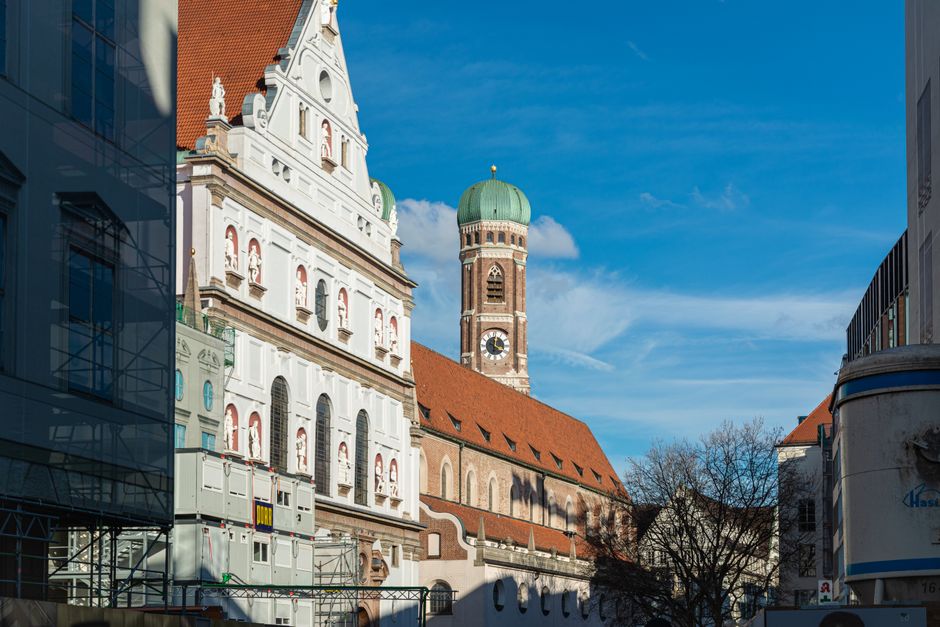
Munich · Europe’s top technical university
RWTH Aachen
Aachen · Mechanical and automotive engineering
Heidelberg University
Heidelberg · Medicine, life sciences and research depth
TU Berlin
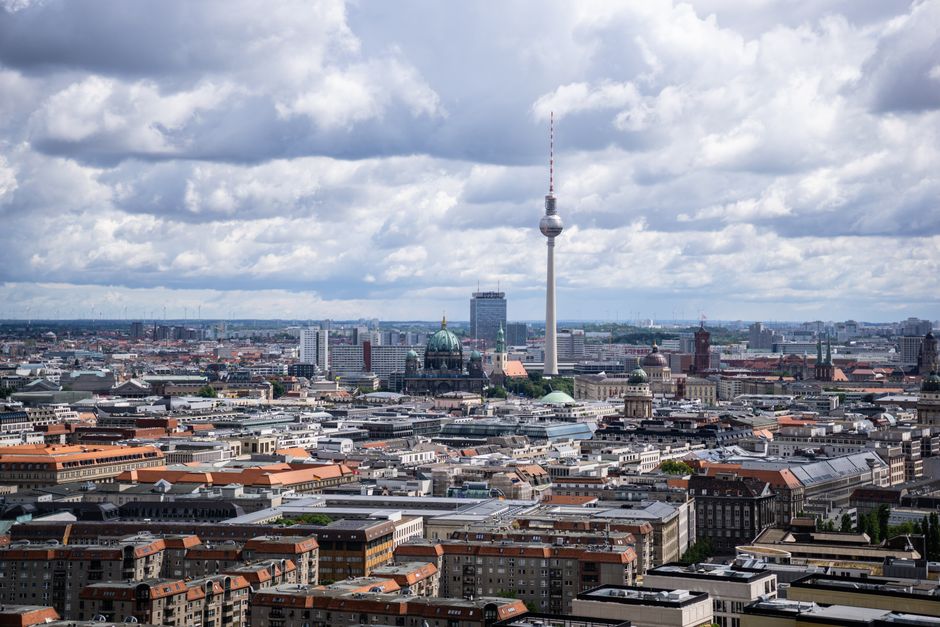
Berlin · CS, AI and startup ecosystem access
University of Stuttgart
Stuttgart · Automotive engineering beside Mercedes and Porsche
Success Stories
Clients who chose Germany.
Frequently asked
Germany questions, answered straight
Public universities charge no tuition for most programs — only a semester contribution of €150–350 that usually includes a regional transport pass. Baden-Württemberg charges non-EU students €1,500/semester.
Start your Germany journey
A senior counselor who files for this destination weekly will call you back within one business day.