

Asia · Tokyo · Japanese Yen (JPY)
Japan — precision engineering, deep tradition, rising demand.
A demographic shift has opened Japan’s doors wider than ever: scholarships, English-taught degrees, and a fast-track Highly Skilled Professional visa that reaches PR in as little as one year.
1 year (HSP)
Fastest PR
790,000 roles
IT shortfall
28 hrs/week
Student work
World #1 cities
Safety
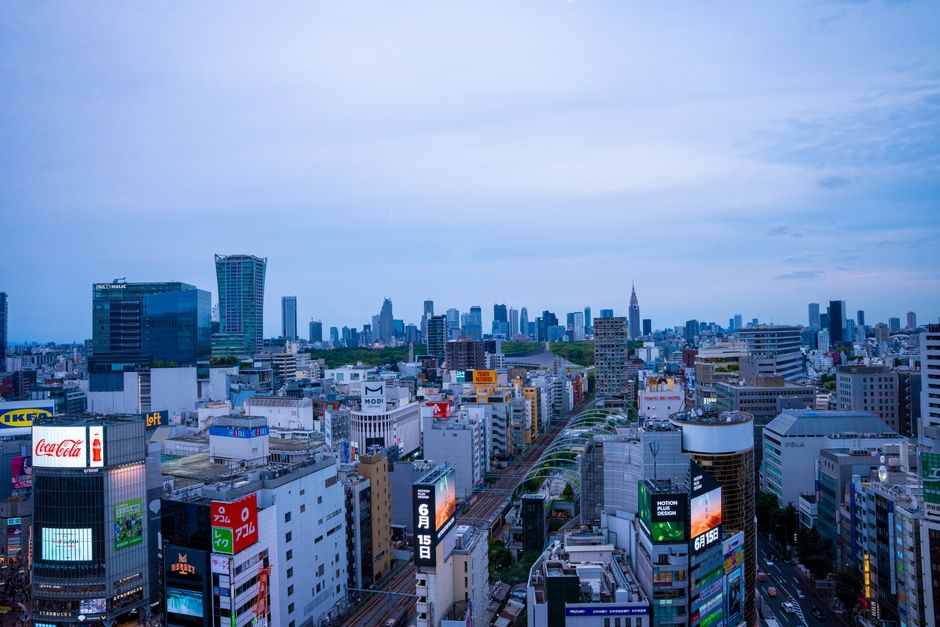

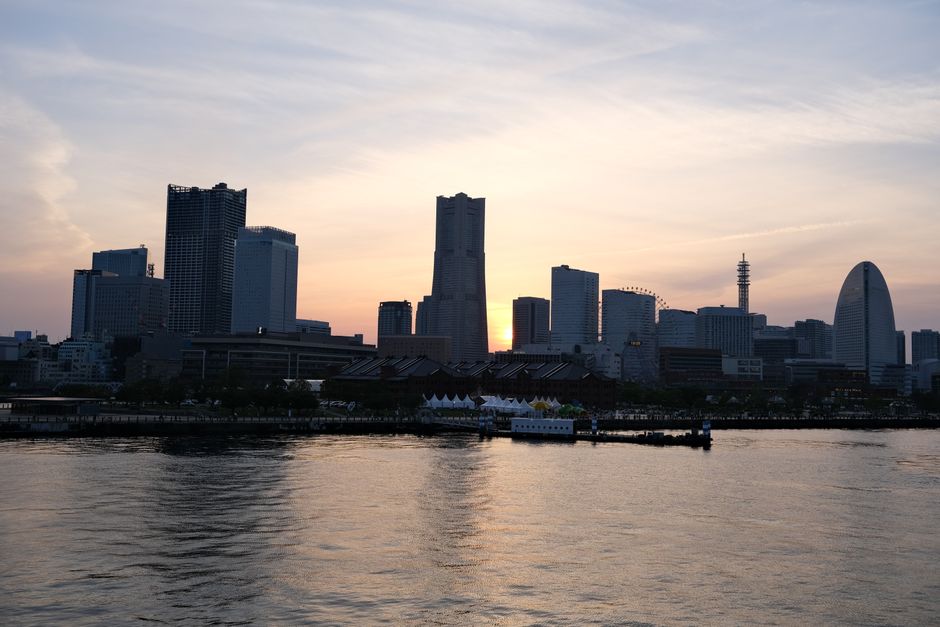
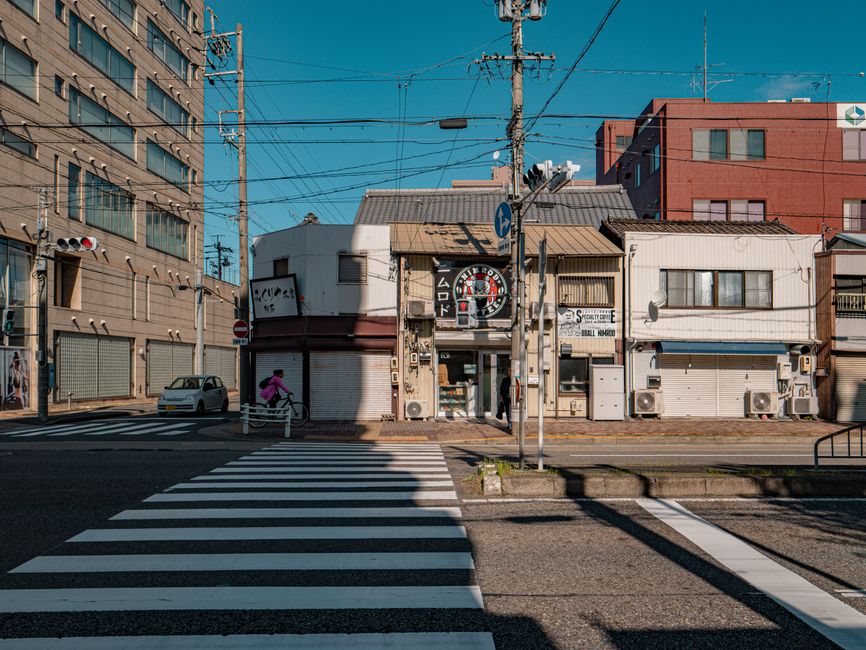
Overview
Japan is actively recruiting international talent for the first time in its modern history. With a shrinking workforce and a national target of 400,000 international students, scholarships like MEXT and JASSO are generous and English-taught programs are multiplying.
The Highly Skilled Professional visa awards points for education, salary and research output — at 70 points, permanent residency becomes available in 3 years; at 80 points, in just one year. That is the fastest PR track in the developed world.
Living costs outside Tokyo are surprisingly reasonable, safety is unmatched, and Japanese language ability — even at conversational level — converts directly into career opportunity.
Why Japan
- PR in as little as 1 year via the Highly Skilled Professional points system
- MEXT and JASSO scholarships covering tuition and living stipends
- Tuition roughly half of US/UK levels
- World’s safest large cities and flawless public transport
- Soaring demand for IT, engineering and caregiving professionals
- 28 hrs/week student work rights
Study Opportunities
Why study in Japan.
- University of Tokyo, Kyoto, Osaka — Asia’s research heavyweights
- English-taught degrees via the Top Global University project
- Japanese language schools as a 1–2 year pathway to degrees and jobs
- April and September/October intakes
Student Visa
The student route, mapped.
Processing times, validity, costs and core requirements for the Japan student visa.
Student Visa (via CoE)
StudyInstitution-sponsored Certificate of Eligibility followed by a quick embassy visa issuance.
- Processing
- CoE 1–3 months + visa ~5 days
- Validity
- Program duration (renewable)
- Cost
- ¥3,000
- CoE from institution
- Funds ¥2M+
- Academic records
- Language evidence per program
Cost breakdown
- Tuition / year
- ¥535,000–1,500,000 (national universities lower)
- Living / year
- ¥1,200,000–1,800,000 (Tokyo higher)
- Application fees
- ¥3,000 visa (≈ ₹1,700)
- Proof of funds
- ≈ ₹12–18 lakh (first year)
Required documents
- Valid passport
- Certificate of Eligibility (CoE) sponsored by the institution
- University/language school admission letter
- Proof of funds: ¥2–2.5 million for the first year
- Academic transcripts and certificates
- JLPT certificate (for Japanese-taught programs) or English scores
- Sponsor letter and income evidence
- Photographs per specification
Eligibility requirements
- 55%+ academics for most university admits
- JLPT N2 for Japanese-taught programs; IELTS 6.0 for English-taught
- First-year funding of ¥2–2.5 million demonstrated
- Clear study or career narrative for the CoE
Universities
Institutions we place students at
University of Tokyo
Tokyo · Japan’s apex institution — research across all fields
Kyoto University
Kyoto · Nobel-dense fundamental science
Osaka University
Osaka · Engineering, medicine and robotics
Tokyo Institute of Technology (Science Tokyo)
Tokyo · Pure engineering excellence
Waseda University
Tokyo · English-taught programs and global business networks
Frequently asked
Japan questions, answered straight
Not for English-taught degrees or many IT roles — but JLPT N3–N2 dramatically expands your job market and daily life. We pair every Japan plan with a language roadmap.
Start your Japan journey
A senior counselor who files for this destination weekly will call you back within one business day.